
One Size Doesn’t Fit All: Reimagining Support for Microbusiness Owners.
Thanks for joining us for the fourth edition of our Getting to Know Us series. Today, we’re turning our attention to a group that too often gets overlooked - solo and micro-businesses - and why they need a fundamentally different kind of support. Despite making up the majority of businesses in the U.S., solo- and micro-business owners are still treated like scaled-down versions of larger operations. But they’re not. These businesses operate with a different rhythm, face different barriers, and bring a unique kind of value to their communities - often with fewer resources and less visibility.
This isn’t just theory for us. The majority of the business owners we’ve worked with and built relationships with are solo or micro-businesses. Their challenges - and their brilliance - shaped how we do what we do. Not to mention, we are a micro-business ourselves.

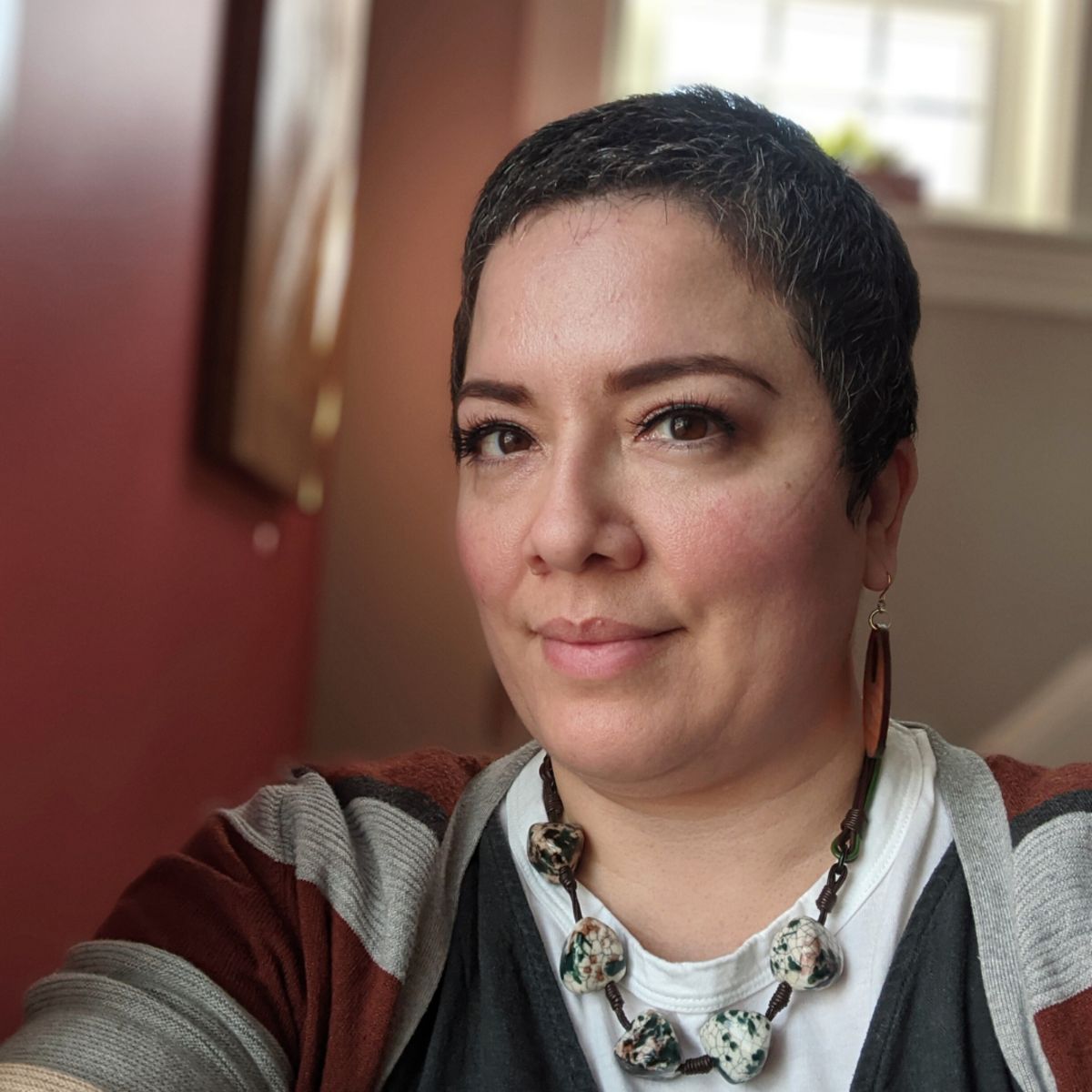
AI Generated image of an avatar representing an average solo entrepreneur and their goals and challenges. The avatar is a Latina in her 40’s, shoulder length brown hair, soft brown eyes. She has a peaceful smile and is wearing a t-shirt and jeans, hands are softly clasped on a massage tool belt at her waist. The room is peaceful with neutral colors and decor
Meet Marisol
Marisol is a 43-year-old licensed massage therapist and reiki practitioner in a rural town. She’s a single mom of two and caregiver for her elderly aunt. She rents a room three days a week at a local wellness center and sees some clients from her home. She embodies the reality of so many solo- and micro-business owners that we’ve worked with over the years.
After leaving a toxic healthcare job, Marisol used her tax refund and two credit cards to get licensed and set up her business. She doesn’t qualify for most grants because she hasn’t yet hit $50,000 in revenue. She was denied a loan due to low credit, even though she’s never missed a rent payment and has operated steadily for three years.
She’s been told to “just market more” or invest in expensive coaching - but she’s already overextended. She doesn’t have the time to dig through websites or decode which programs could actually help her. She needs clear pathways to relevant support and a community of entrepreneurs like her.
The Lived Gaps
Solo and micro-business owners like Marisol are navigating a resource landscape that was not built for them. Most support systems are fragmented and confusing, and dominant business culture keeps telling them to hustle harder or “scale” when they really need grounding, context, and care.
And many owners are left turning to costly, ill-fitting private services or stuck trying to figure things out alone. We’ve seen how this dynamic isolates the very people entrepreneurship is supposed to empower.

A Different Kind of Business Deserves a Different Kind of Support
Solo and micro-businesses are not just smaller - they are fundamentally different. Most are bootstrapped, community-rooted, and led by people who are balancing caregiving, healing, chronic illness, or systemic barriers alongside their business goals - and wearing all the hats in their business.
They’re not trying to build the next tech unicorn. Many don’t want to manage staff or chase government contracts. They want dignity, autonomy, creative expression, and a livable income.
The system often fails to recognize their value because it prizes quick and constant growth over wellbeing. But these business owners are feeding their communities, supporting local events, offering care-based services, and building something more lasting than profit: trust.
We’re here to shift the frame - from corporate metrics to real-life impact. From individual grind to collective growth.
The Role of Collective Agency
At Collective Agency, we’re building support systems designed specifically for solo and micro-business owners.
We’re creating:
A community-based entrepreneurship experience that replaces hustle with connection and centers the client's definition of success.
Peer recognition and skill-sharing that disrupts isolation.
Education and accountability that is trauma-informed, jargon-free, and human-centered.
Spaces that honor care, capacity, and growth with intention instead of glorifying burnout .
When business owners feel grounded, resourced, and connected, they gain confidence, clarity, and momentum - on their own terms.
Small business isn’t just about the bottom line. It’s about being part of the fabric of the community. It’s about building relationships and interdependence. It’s about designing an environment where connection is the business model.
What Comes Next
We’re already moving forward with this vision. Expect to see - and experience - new ways of doing business that are more collaborative, transparent, and care-centered. The framework is in motion.
Let’s build it together. Join the conversation and let us know what you’re building - and how we can amplify your vision!